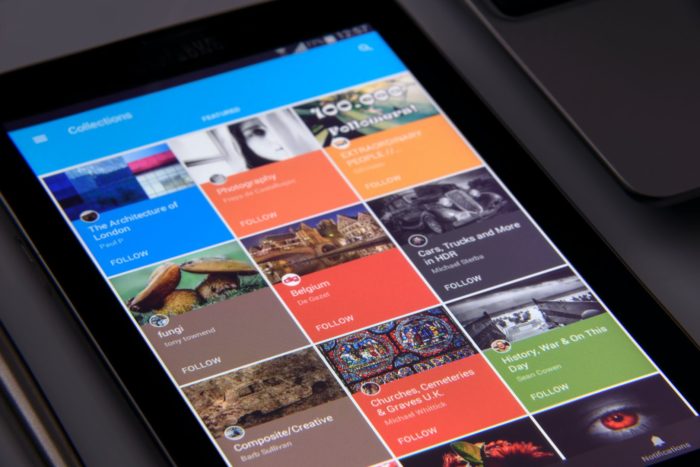
Traditional publishing has given place to digital publishing due to the rise of mobile devices. Print media and traditional publishers have embraced the digital medium, paving the door for e-Publishing solutions to become a large-scale industry. However, like conventional publishing, the large-scale digital publication has its own set of obstacles.
Online publishing, sometimes known as e-publishing, has been experiencing tremendous disruption. Publishers are striving to keep up with the ever-changing landscape of the internet and how people consume material on it.
Publishers no longer have the luxury of producing high-quality material every month, thanks to digital publishing platforms. Content turnaround time has been shortened to daily or hourly intervals. With such massive work ahead of them, publishers turn to freelancers for help.
However, managing the different work done by a team scattered around the globe and not confined to the property has become a problem that needs to be solved. Unending competition– The entry hurdle to digital platforms is minimal. Anyone with an internet connection can start creating content. As a result, to stay ahead of the competition.
Content is tailored to different platforms. Every digital platform necessitates a unique approach. Each platform's content must be customized. For example, content created for Instagram must be visually appealing, whereas content created for Facebook must include visual and written elements. The same content will be condensed when writing for a microblogging network like Twitter.
Click-based ad revenues were the primary source of income for most online content publishers during the dawn of the digital era. That, though, is slowly disappearing. The age of sponsored content, sometimes known as native advertising, is arrived. Publishers must now customize their material to meet the needs of their sponsors.
When it comes to reading, readers share an experience similar to music or movies. This is a significant benefit for any digitally released information. Digital work has significantly better accessibility and ease of production than a tangible output. And by capitalizing on this shift in the market, publishers will be able to streamline their operations, take on large-scale projects, and produce high-quality results.
Are you looking for tips on starting your e-publishing business? Read our blog about how to start an electronic publishing business.

Nulla vitae ex eu mi cursus cursus a mollis quam. Praesent ullamcorper arcu non turpis condimentum rutrum. Sed laoreet accumsan erat eu lobortis.