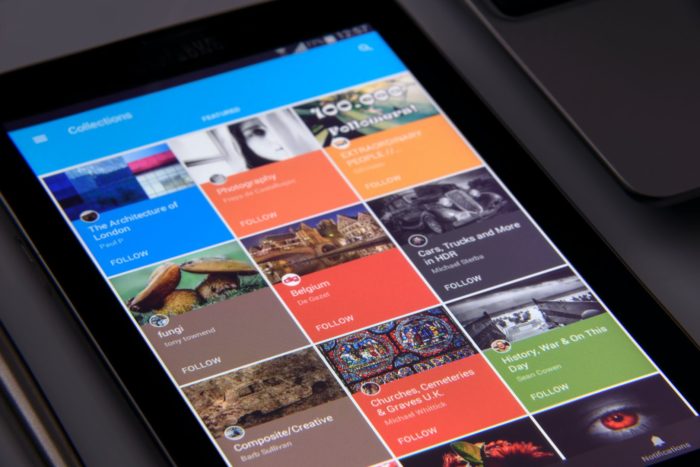
There are a variety of methods that publishers and others can publish books, essays, and other forms of literary material as digital content, known as electronic publishing.
It is possible to publish electronic content in a variety of methods. Electronic books are now published according to conventional norms, such as the Amazon Kindle or other proprietary e-reader designs from Barnes & Noble, Sony, and others. A wide variety of digital periodicals and publications are also accessible via the Internet or have been delivered on computers or mobile devices via web publishing.
Electronic publishing is a word that might be mistaken for desktop publishing. Desktop publishing is much more of a phrase for the practice of developing and designing content in a digital workplace. Just like print publishing, e-publishing is merely a new branch of the publishing industry where books are released digitally and can only be read in specific ways. The swiftly expanding world of electronic publishing has introduced its own payment mechanisms, consumer markets, and professional jobs, but the great issue is whether electronic publishing will totally eclipse print publishing, or whether the two will continue to battle for readers.
Paper books often sell more copies than electronic works. It's common for people to not be aware of e-publishing, while others prefer to read books in print. According to one e-publisher, a successful book should sell at least 500 copies.
E-published content is often self-marketed by the authors who produce it. If no one knows about your book, it won't sell. They cannot rely on the public noticing their books on store shelves or window displays.
E-published works don't necessarily have the same way as those released in print. It's as though the standard is lesser for these pieces than it is for printed ones. However, as the sector matures, this may begin to alter.
It has been described as any non-print content that is created digitally. There are several types of electronic publications, including bulletin boards, newsgroups, mailing lists, CD-ROMs, and websites. Communication and information management are not mutually exclusive broad categories into which electronic content may be subdivided. In terms of information management, CD-ROMs and websites are common candidates, while newsgroups/forums and mailing lists might be considered as a type of communication. In many cases, the distinction resides in whether the primary goal is to communicate or to retain knowledge or resources (information management).
To learn more, click here.

Nulla vitae ex eu mi cursus cursus a mollis quam. Praesent ullamcorper arcu non turpis condimentum rutrum. Sed laoreet accumsan erat eu lobortis.