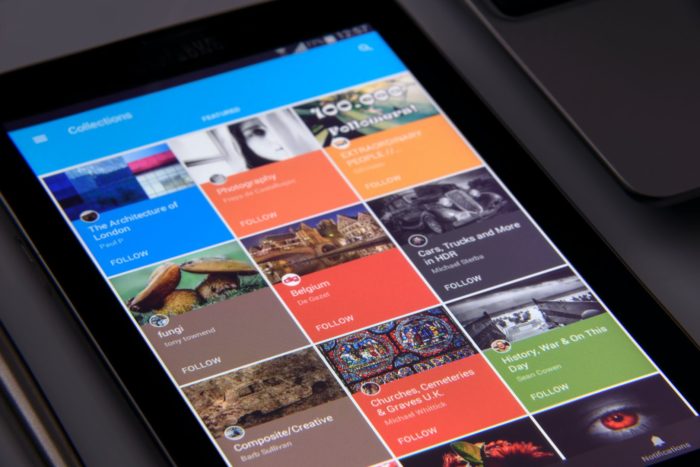
Electronic publication has become commonplace in scientific publishing, with some claiming that peer-reviewed scientific journals are being phased out in favor of electronic publishing. Online sellers such as Apple's iTunes bookstore, Amazon's Kindle bookstore, and books in the Google Play Bookstore are increasingly distributing books, periodicals, and newspapers to customers via tablet reading devices, a market that is expanding by millions each year. According to market research, by the end of 2015, half of all magazine and newspaper circulation will be delivered digitally, and half of all reading in the United States would be done without paper.
An open-format is a file format for storing digital data that is specified by a publicly available specification, generally maintained by a standards body, and that anyone can use and develop. Closed formats, in contrast to open formats, are considered trade secrets.
Print periodicals and catalogs typically take longer to produce, requiring three to six months' notice. In a fraction of the time, digital versions may be made available to the public. It is too late to amend problems in the text, photos, or prices after something has been printed. Digital publications are simple, quick, and inexpensive to update.
Digital catalogs may be dynamic and interesting. Unlike paper catalogs, which people may forget about, digital catalogs allow consumers to click for more information or place an order right away. Consumers may also be able to check reviews and ratings in catalogs, as well as express their own thoughts on a product. The impulsive customer is better served by digital catalogs than by paper catalogs.
To learn more, click here.

Nulla vitae ex eu mi cursus cursus a mollis quam. Praesent ullamcorper arcu non turpis condimentum rutrum. Sed laoreet accumsan erat eu lobortis.