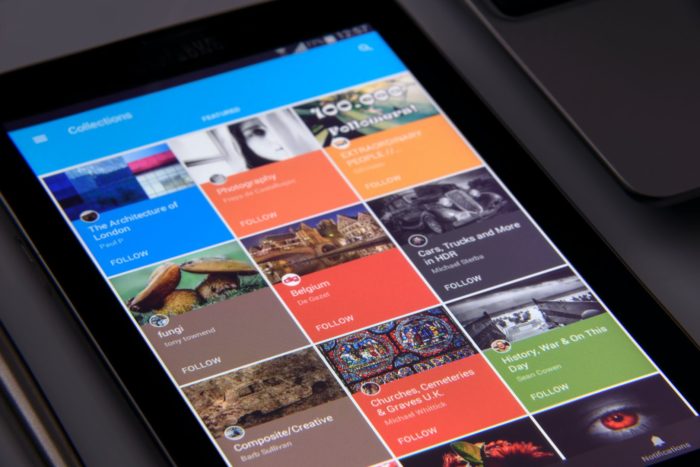
Electronic publishing can be accomplished in a variety of ways. Digital versions of published books are now released through proprietary e-reader designs like the Amazon Kindle or other designs by Barnes & Noble, Sony, and others, according to common conventions for e-book publication. There are also a variety of digital magazines and publications that may be accessed via the Internet or downloaded to PCs or mobile devices.
Electronic publishing" and desktop publishing are often used interchangeably. Desktop publishing refers to the process of developing and designing things in a digital environment. Electronic publishing is a new branch of the publishing industry. Material is produced in a digital format.
It must be accessed in specified ways rather than printed with physical pages. The rapidly evolving world of electronic publishing has brought its payment mechanisms, consumer markets, and professional positions. Still, the great question is whether it will completely eclipse print publishing or whether the two will continue to compete for readers.
The electronic publishing process resembles the old paper-based publishing process in certain ways, but it differs from it in two areas:
Users can read the material on various electronic and digital devices, including desktop computers, laptops, tablet computers, cellphones, and e-reader tablets because the content is electronic.
The consumer can access the published content via a website, a tablet application, or a PDF document on a computer. In some situations, the reader may be able to print the information onto paper using a consumer-grade ink-jet or laser printer or a print-on-demand device. Some people save digital content to their devices to read it even when they aren't connected to the Internet (e.g., on an airplane flight).
Visit our blog section to learn more about electronic publishing.

Nulla vitae ex eu mi cursus cursus a mollis quam. Praesent ullamcorper arcu non turpis condimentum rutrum. Sed laoreet accumsan erat eu lobortis.