logo

How To Do Electronic Publishing?

January 23, 2022

Electronic publishing (sometimes known as e-publishing) is a publishing method that does not contain printed books. Rather, it takes the shape of works published online, on a CD, emailed, or in a file format that handheld electronic readers can read. This is a different type of publication that is particularly appealing to young writers, and it offers both benefits and drawbacks compared to traditional printed publications.

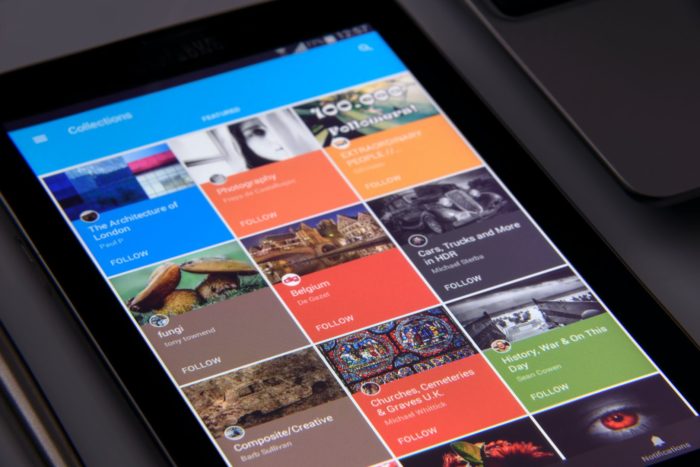
Electronic publishing can be accomplished in a variety of ways. Digital versions of published books are now released through proprietary e-reader designs like the Amazon Kindle or other designs by Barnes & Noble, Sony, and others, according to common conventions for e-book publication. There are also a variety of digital magazines and publications that may be accessed via the Internet or downloaded to PCs or mobile devices.

The terms "electronic publishing" and "desktop publishing" are often used interchangeably. Desktop publishing refers to the process of developing and designing things in a digital environment. Electronic publishing is essentially a new branch of the publishing industry. Material is produced in a digital format that must be accessed in specified ways rather than in print form with physical pages. 

The rapidly evolving world of electronic publishing has brought its payment mechanisms, consumer markets, and professional positions. Still, the great question is whether it will completely eclipse print publishing or whether the two will continue to compete for readers.

Benefits

  • The publisher is more willing to take on unproven writers, non-traditional characters, plot lines, and manuscript lengths.
  • Accepted manuscripts are published faster.
  • E-publishing gives writers more control over their work. Change a character, storyline arc, or other aspects of a story to make it more marketable.
  • Writers can easily and cheaply update their text. This is useful for fast-moving industries like computer technology.
  • E-publishing extends the life of works with slow sales. However, unlike paper publishers, electronic storage allows for infinite preservation.
  • Like physical books, electronic works have an ISBN number. An in-person order for an electronic copy of the book is now possible.
About the Author

LATEST ARTICLES

events
Traditional publishing has given place to digital publishing due to the rise of mobile devices. Print media and traditional publishers ...
Brian Flint | February 10, 2022
events
Most academic papers and research articles use websites as a source, but citing the publishing date might be difficult. Some ...
Brian Flint | February 9, 2022
events
An electronic tariff is an international passenger fares or rules tariff or a special tariff permission application that is transmitted ...
Brian Flint | February 8, 2022
events
Books come in various formats and sizes; paperbacks are lightweight and easy to move, whereas hardbound volumes complete personal libraries. ...
Brian Flint | February 6, 2022
events
Electronic publication has become commonplace in scientific publishing, with some claiming that peer-reviewed scientific journals are being phased out in ...
Brian Flint | February 5, 2022
1 2 3 … 8
Copyright © 2026 Write Publisher. All Rights Reserved.
Secret Link
linkedin facebook pinterest youtube rss twitter instagram facebook-blank rss-blank linkedin-blank pinterest youtube twitter instagram