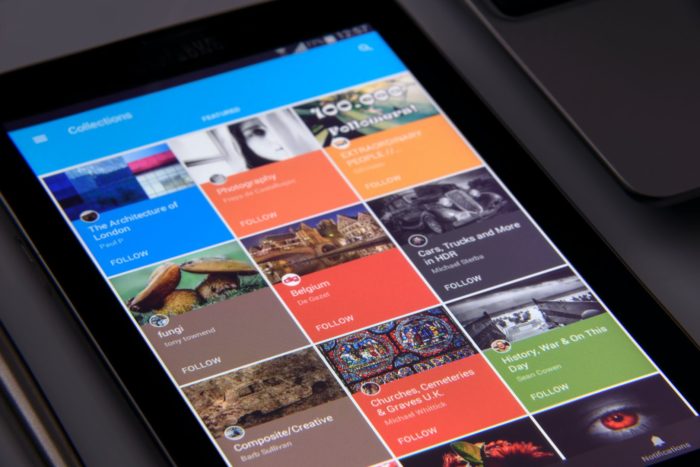
Electronic publishing (sometimes known as e-publishing) is a publishing method that does not contain printed books. Rather, it takes the shape of works published online, on a CD, emailed, or in a file format that handheld electronic readers can read. This is a different type of publication that is particularly appealing to young writers, and it offers both benefits and drawbacks compared to traditional printed publications.
Electronic publishing can be accomplished in a variety of ways. Digital versions of published books are now released through proprietary e-reader designs like the Amazon Kindle or other designs by Barnes & Noble, Sony, and others, according to common conventions for e-book publication. There are also a variety of digital magazines and publications that may be accessed via the Internet or downloaded to PCs or mobile devices.
The terms "electronic publishing" and "desktop publishing" are often used interchangeably. Desktop publishing refers to the process of developing and designing things in a digital environment. Electronic publishing is essentially a new branch of the publishing industry. Material is produced in a digital format that must be accessed in specified ways rather than in print form with physical pages.
The rapidly evolving world of electronic publishing has brought its payment mechanisms, consumer markets, and professional positions. Still, the great question is whether it will completely eclipse print publishing or whether the two will continue to compete for readers.

Nulla vitae ex eu mi cursus cursus a mollis quam. Praesent ullamcorper arcu non turpis condimentum rutrum. Sed laoreet accumsan erat eu lobortis.